
In 2025, kimchi continues to shine as Korea’s culinary ambassador. From health benefits to creative recipes, explore why this timeless dish remains a global favorite and cultural symbol.
Kimchi in 2025: Health, Heritage, and Global Flavor
Introduction
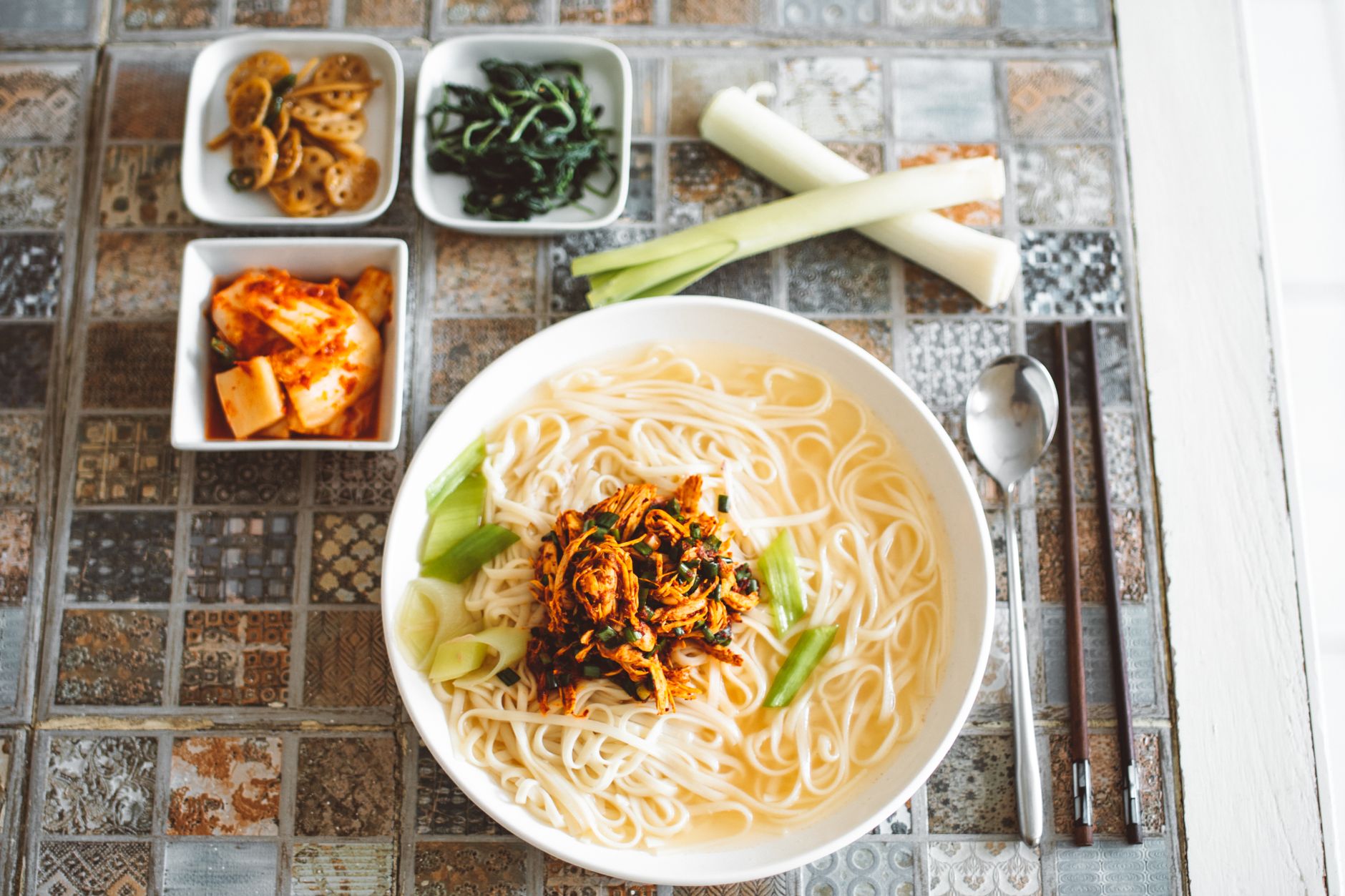
As we step into 2025, Korean culture remains a powerful influence across food, entertainment, and global lifestyle trends. At the center of this cultural wave is kimchi — Korea’s iconic fermented dish, cherished for both its health benefits and cultural symbolism. From celebrity chefs to everyday kitchens, kimchi continues to inspire recipes, conversations, and even policy discussions about national food identity.
Why Kimchi Matters in 2025
- Health Benefits: Packed with probiotics, vitamins, and antioxidants that boost gut health and immunity.
- Global Recognition: Featured in wellness blogs, celebrity diets, and Michelin-starred restaurants worldwide.
- Cultural Identity: Talks of a “National Kimchi Day” abroad (such as in Washington, D.C.) highlight its soft-power role.
- Culinary Creativity: Fusion recipes (kimchi tacos, kimchi pasta) bring tradition into modern kitchens.
- Sustainability: Fermentation methods align with eco-friendly and zero-waste food trends.
Trends and Cultural Links
Korean food is thriving globally in 2025. Social media platforms like TikTok are filled with homemade kimchi tutorials, while global K-culture trends — from K-pop to K-dramas — often highlight Korean dining scenes. Even Netflix’s K-pop Demon Hunters includes subtle nods to Korean cuisine, showing how food and entertainment continue to move together in cultural storytelling.
Popular Kimchi Recipes
- Traditional Napa Cabbage Kimchi (Baechu Kimchi): The classic version with chili flakes, garlic, and fish sauce.
- White Kimchi (Baek Kimchi): A non-spicy variety, mild yet refreshing.
- Radish Kimchi (Kkakdugi): Crunchy cubes with a punch of spice.
- Kimchi Pancakes (Kimchi Jeon): A savory snack perfect with dipping sauce.
- Kimchi Stew (Kimchi Jjigae): A warming comfort dish, ideal for cold days.
Field Notes: Eating Kimchi Today
- The aroma of garlic and chili instantly awakens the appetite.
- Its vibrant red color makes any table feel alive.
- Crunchy texture contrasts beautifully with rice or noodles.
- The fermented tang deepens with age, adding complexity.
- Eating kimchi often sparks conversations about family and tradition.
Try It Yourself
Want to bring kimchi into your own routine? Here are some quick tips:
- Buy fresh kimchi from a Korean market or try making it at home with a DIY kit.
- Add kimchi as a topping for burgers, pizza, or grilled cheese for a flavor boost.
- Pair kimchi with probiotics like yogurt or kombucha for a gut-health combo.
- Join local Korean food festivals to taste different regional kimchi variations.
FAQ
Is kimchi really healthy?
Yes, kimchi is considered a superfood. Its probiotics support digestion, while garlic, chili, and ginger provide anti-inflammatory benefits.
How long does kimchi last?
Fresh kimchi can be eaten right away, but it usually ferments for days or weeks. Properly stored in the fridge, it can last for months, developing richer flavors over time.
Can I make kimchi without fish sauce?
Absolutely. Many vegetarian and vegan versions use soy sauce or miso instead of fish sauce, without losing authentic taste.
Why is kimchi culturally important?
Kimchi is more than food — it represents Korean identity, family traditions, and seasonal practices like “kimjang” (communal kimchi-making).
Where can I try kimchi outside Korea?
Korean restaurants worldwide serve kimchi as part of their meals, and many supermarkets now stock packaged kimchi brands.
Conclusion
In 2025, kimchi stands as both a nutritional powerhouse and a cultural icon. Its global journey proves that Korean food is not just a trend but an enduring influence shaping modern gastronomy. Whether you taste it in Seoul, New York, or your own kitchen, kimchi continues to connect people through flavor, tradition, and community.




0 Comments