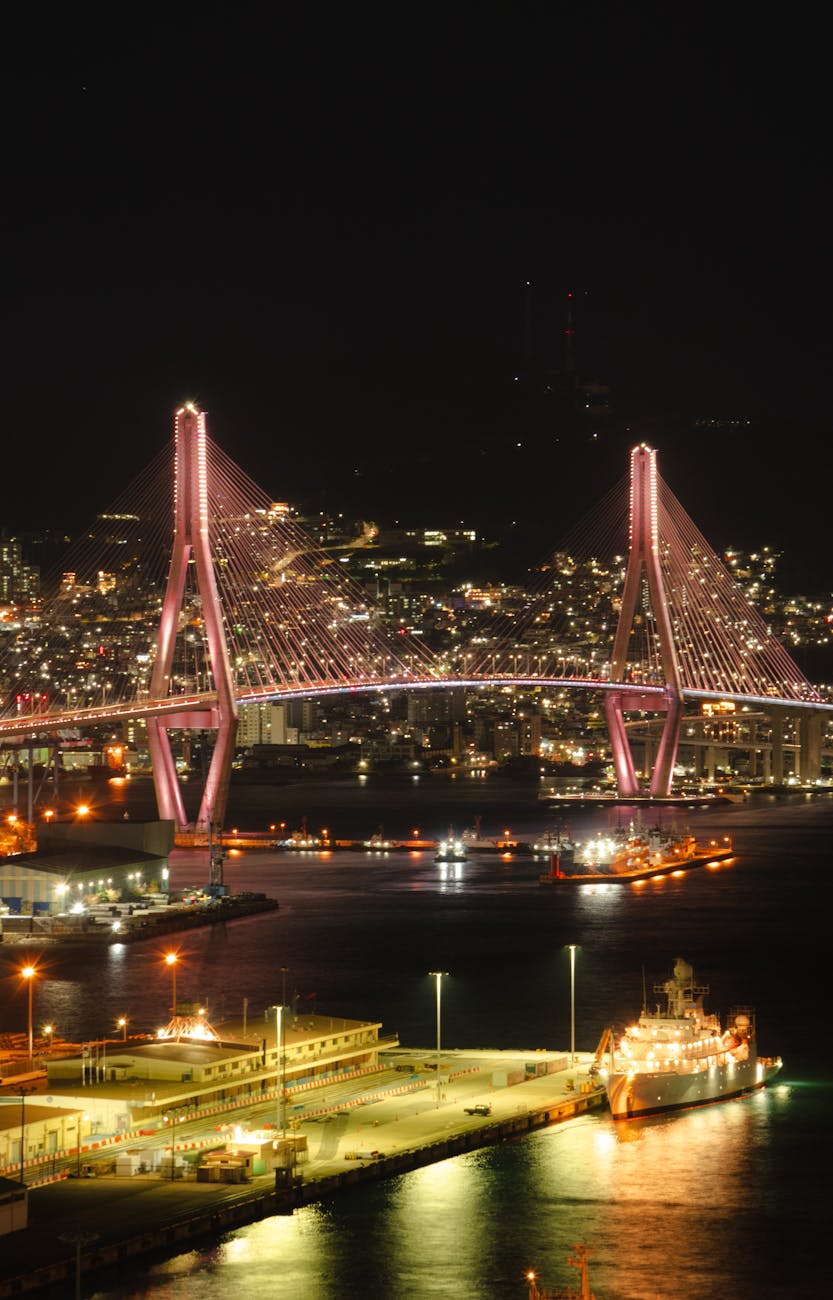
Experience the perfect blend of tradition, modernity, and natural beauty in Busan — South Korea's captivating coastal gem that promises culture, cuisine, and breathtaking views.
Exploring Busan: South Korea’s Coastal Gem
Introduction
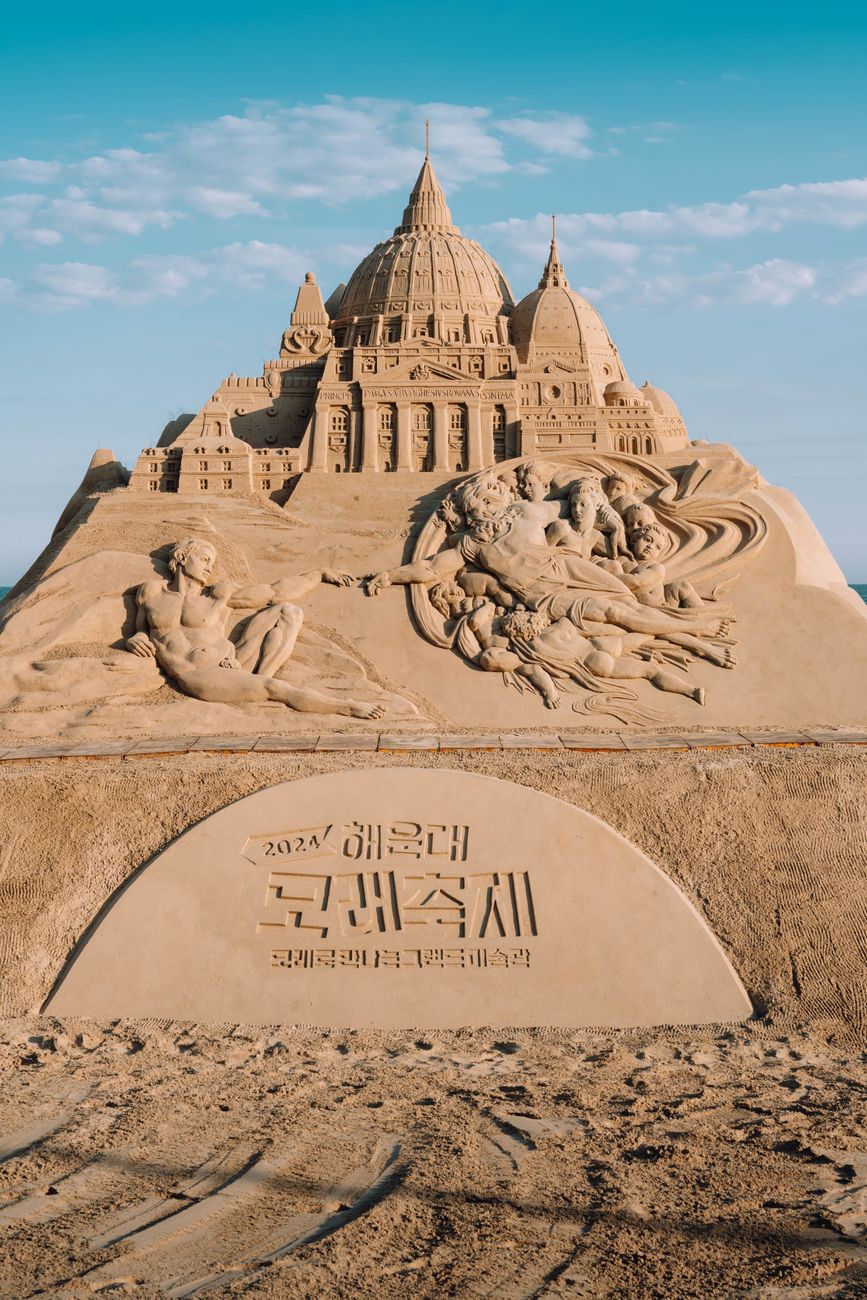
Busan, South Korea’s second-largest city, offers travelers an irresistible mix of beaches, temples, seafood, and culture. From the bustling streets of Jagalchi Fish Market to the calm of Haedong Yonggungsa Temple, Busan’s contrasts define its charm. Whether you’re chasing waves, cinema, or history — Busan will surprise you at every corner.
Background & Cultural Context

Once a fishing village, Busan grew into a strategic port city thanks to its location on the southeastern coast. During the Korean War, it became the temporary capital, earning the title “City of Heroes.” Today, Busan is both a global trade hub and a cultural heartland where tradition and modernity coexist.
Top Highlights of Busan
🏖 Haeundae Beach
Korea’s most famous beach with soft white sand and a vibrant nightlife scene. Daytime brings surfing, volleyball, and sunbathing, while evenings glow with music, clubs, and seaside dining.
🌊 Jagalchi Fish Market
A seafood lover’s paradise. Walk through rows of stalls offering everything from live octopus to fresh sashimi, and head upstairs to enjoy dishes prepared on the spot.
⛩ Temples & Heritage
Don’t miss Haedong Yonggungsa, a rare seaside Buddhist temple, and Beomeosa, nestled in the mountains. These temples reflect Busan’s spiritual side and architectural beauty.
🎥 Busan International Film Festival (BIFF)
Every October, Busan becomes the stage for Asia’s most important film festival. From red carpets to indie screenings, BIFF puts Busan at the center of global cinema.
🎨 Busan Museum of Art
A modern cultural space showcasing Korean and international contemporary art, with exhibitions that inspire dialogue between tradition and innovation.
Practical Tips
- Getting around: Use the metro for convenience. T-money cards work across buses and subways.
- Best eats: Try local specialties like dwaeji gukbap (pork rice soup) and hotteok (sweet pancakes).
- Stay areas: Haeundae for beach vibes, Seomyeon for nightlife, and Nampo-dong for traditional markets.
- Language: Basic Korean phrases go a long way, but English is often understood in tourist spots.
- Best seasons: Spring (March–May) and autumn (Sept–Nov) for mild weather and festivals.
FAQ
Q: Is Busan safer than Seoul?
A: Both cities are very safe for tourists, with low crime rates. Just follow common travel precautions.
Q: Can I use credit cards everywhere?
A: Yes, most shops and restaurants accept cards, but small markets may prefer cash.
Q: How long should I stay in Busan?
A: A 3–4 day trip is ideal to cover beaches, markets, temples, and a festival or two.
Q: What makes Busan unique compared to Seoul?
A: Busan offers a slower coastal vibe, fresh seafood culture, and international cinema scene — a contrast to Seoul’s fast-paced city life.
Conclusion
Busan is more than a seaside getaway — it’s a city of resilience, art, and flavor. From sunrise at Haeundae to late-night meals at Jagalchi, every experience captures Korea’s coastal spirit. Whether you’re a foodie, culture seeker, or beach lover, Busan will leave you with stories worth sharing.
Want to discover more of Korea?
Join us on YouTube for in-depth stories, hidden gems, and cultural insights:
👉 www.youtube.com/@KORCULTURE


0 Comments