Discover Korea's Hidden Gems: 60 Must-Try Dishes Beyond Bibimbap
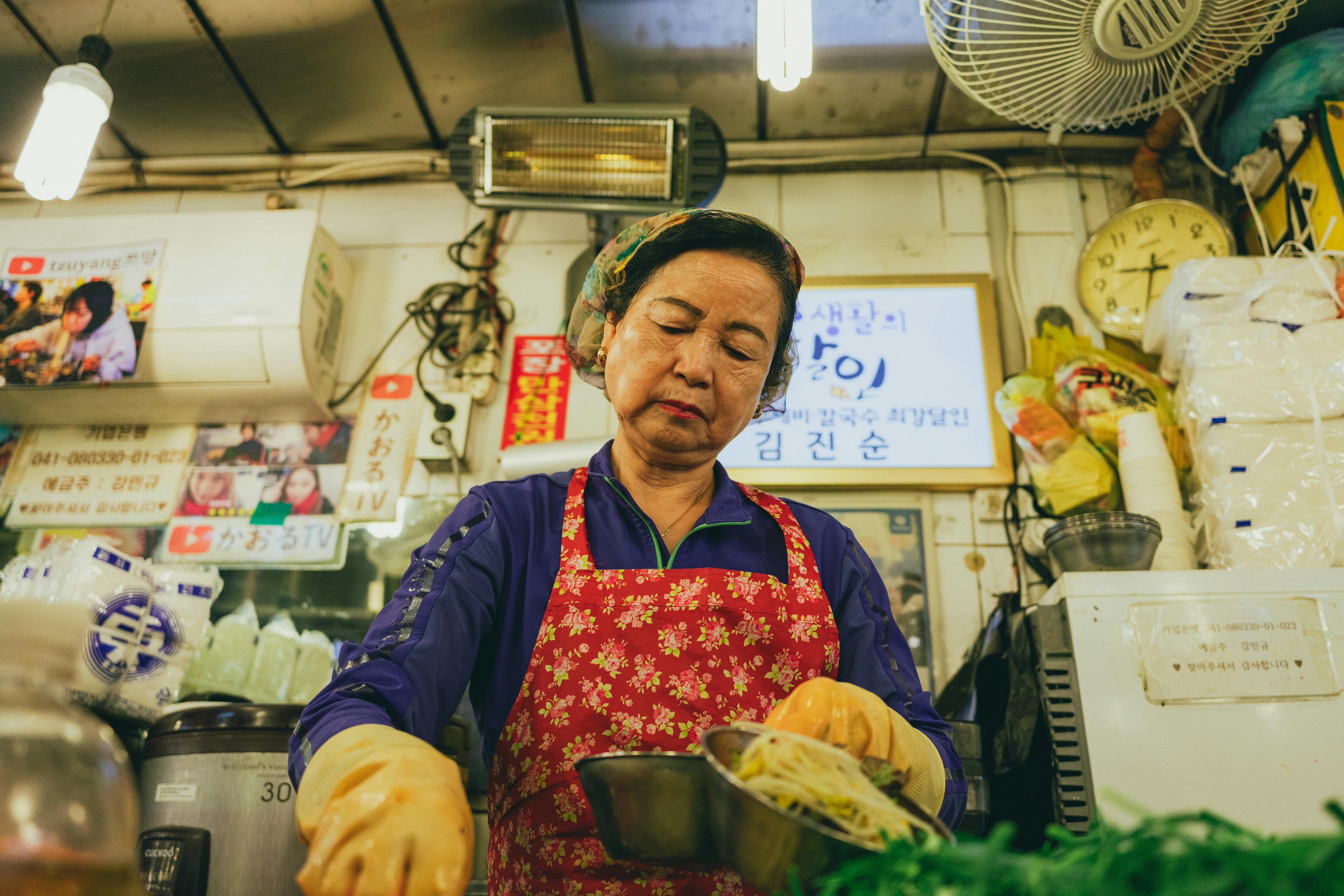
Introduction

Korean cuisine is a symphony of flavors and textures that has captivated the world. Beyond well-known dishes like bibimbap, there exists a category of “sharing-style foods” designed to be enjoyed in groups. These dishes highlight the essence of Korean dining — community, togetherness, and celebration. In this article, we’ll explore 60 must-try dishes, their cultural significance, and practical tips for enjoying them.
Background & Cultural Context

In Korea, food is not just nourishment — it is a social experience. Dining tables are often filled with a variety of small plates (banchan) meant for sharing. Dishes like tteokbokki or pajeon are staples at gatherings, encouraging conversation, laughter, and bonding. This communal approach to food reflects the deep-rooted cultural value of harmony and togetherness.
Key Highlights
Tteokbokki (Spicy Rice Cakes)
Chewy rice cakes simmered in a sweet-and-spicy gochujang sauce, often served with fish cakes, boiled eggs, and scallions.
Pajeon (Green Onion Pancake)
A crispy pancake made with scallions and seafood or vegetables, perfect with a dipping sauce and a glass of makgeolli.
Bindaetteok (Mung Bean Pancake)
Crunchy on the outside and savory inside, made from ground mung beans and vegetables. A favorite at markets and home gatherings.
Jokbal (Braised Pig’s Feet)
Tender, flavorful pork braised in soy-based sauce with garlic and spices. Usually served with lettuce wraps, kimchi, and dipping sauces.
Practical Tips
- Always try a little of each dish to show appreciation for variety.
- Don’t hesitate to ask for refills — it shows you enjoyed the food.
- Be ready to share both food and drinks; it’s the heart of Korean dining culture.
FAQ
Q: What are the must-try Korean sharing dishes for first-time visitors?
A: Tteokbokki, pajeon, kimchi jjigae, bulgogi, and samgyeopsal (grilled pork belly).
Q: Are these dishes only available at traditional restaurants?
A: No, you’ll find them everywhere — from street markets and casual pubs to modern Korean fusion cafés.
Q: Can I make these dishes at home?
A: Absolutely! Many recipes are available online, and Korean supermarkets abroad stock key ingredients like gochujang and kimchi.
Q: Are vegetarian options available?
A: Yes, dishes like pajeon and vegetable bibimbap are naturally vegetarian, and many restaurants offer meat-free variations.
Conclusion
These 60 Korean dishes go far beyond bibimbap, offering a window into Korea’s culture of sharing, hospitality, and bold flavors. Whether you’re in Seoul or abroad, trying them will bring you closer to the heart of Korean life. Gather friends, order a table full of plates, and experience the joy of Korean dining.
Want to dive deeper into Korea?
Visit our YouTube channel and subscribe for thoughtful videos about Korean culture:
www.youtube.com/@KORCULTURE



0 Comments